What to notice before trouble grows
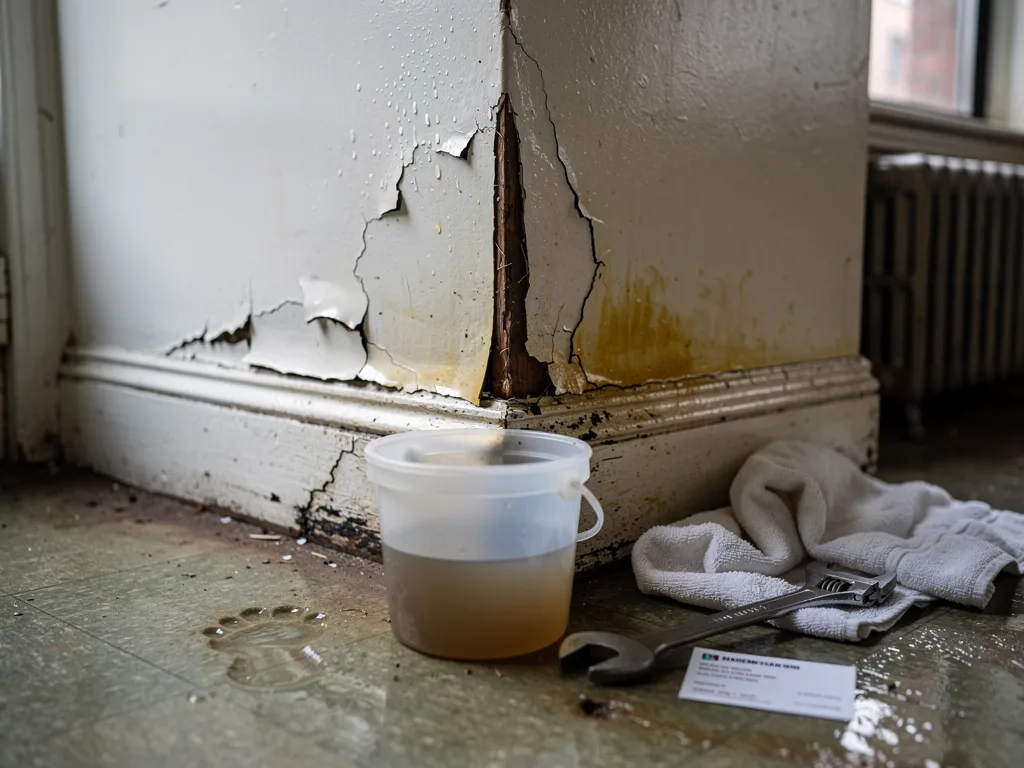
Across New York, many homes develop moisture pockets that aren’t obvious at first. A persistent musty odor, peeling wallpaper, or dark staining on baseboards can indicate hidden moisture behind walls or under floors. Our restoration specialists see this pattern in weathered homes and newer builds alike. When you notice these cues, it’s a sign to pause and evaluate the scope of the issue rather than treating symptoms with quick fixes.
Moisture behind walls often travels from places you don’t expect. A slow leak, a condensation cycle in poorly ventilated spaces, or a historical flood can leave a damp path through framing and insulation. In New York, seasonal changes amplify these risks, especially after heavy rains or rapid temperature shifts. The goal is to confirm what you’re feeling with a careful assessment by a restoration specialist who understands how moisture behaves in different building envelopes.
Why early awareness matters
Early recognition helps prevent cost from spiraling. When moisture sits, it can mold behind walls or settle into structural materials. In statewide projects, restoration specialists map the moisture path, identify affected materials, and outline a plan to stop the spread. The emphasis is on safety, clarity, and a plan that fits the home and budget across New York.
Take notes on where you feel changes. Record dates of dampness, smells, or staining, and note any past incidents like floods or burst pipes. This information helps our team tailor a steady, transparent approach that aligns with statewide service expectations.
What our restoration specialists do first
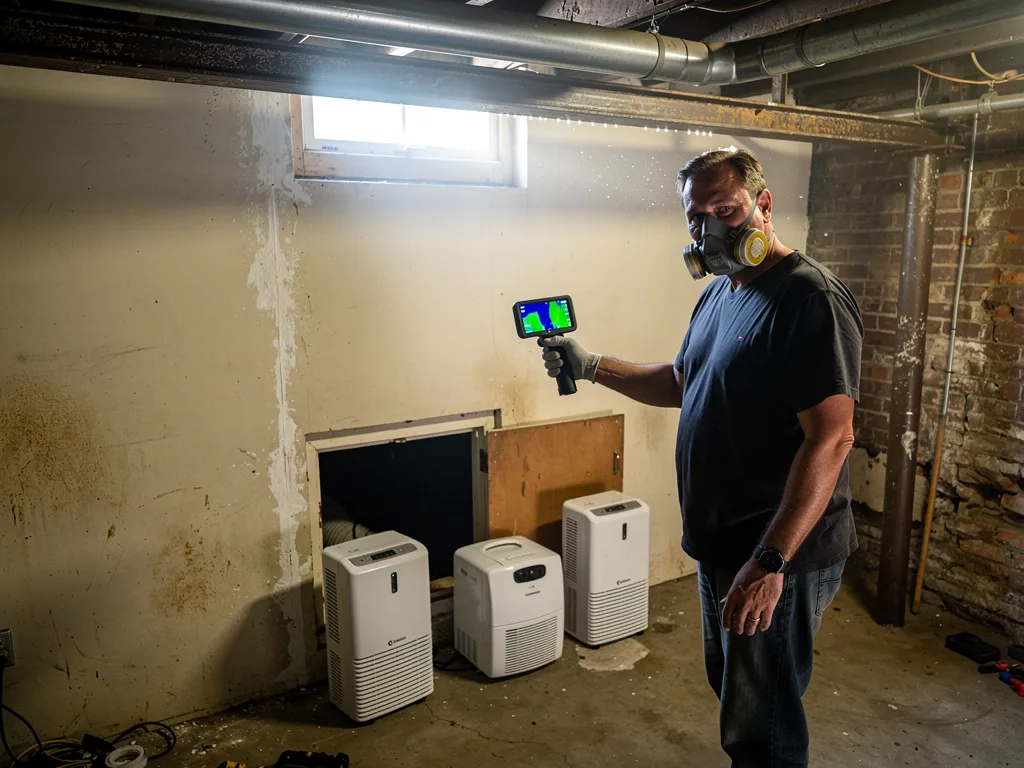
First, we evaluate moisture sources without rushing to remove finishes. The initial steps include a visual survey, moisture readings, and a review of HVAC and drainage around the affected area. In many cases, this helps separate surface symptoms from the root cause. Once the source is identified, a plan is crafted that addresses both the moisture control and the materials affected, keeping the project scope clear for homeowners across New York.
Next, we establish containment if necessary to prevent spread while work proceeds. Then we prepare a remediation strategy that uses tested methods suitable for residential settings in New York. The aim is steady progress and accurate communication, not hype or guesswork.
What you can do now
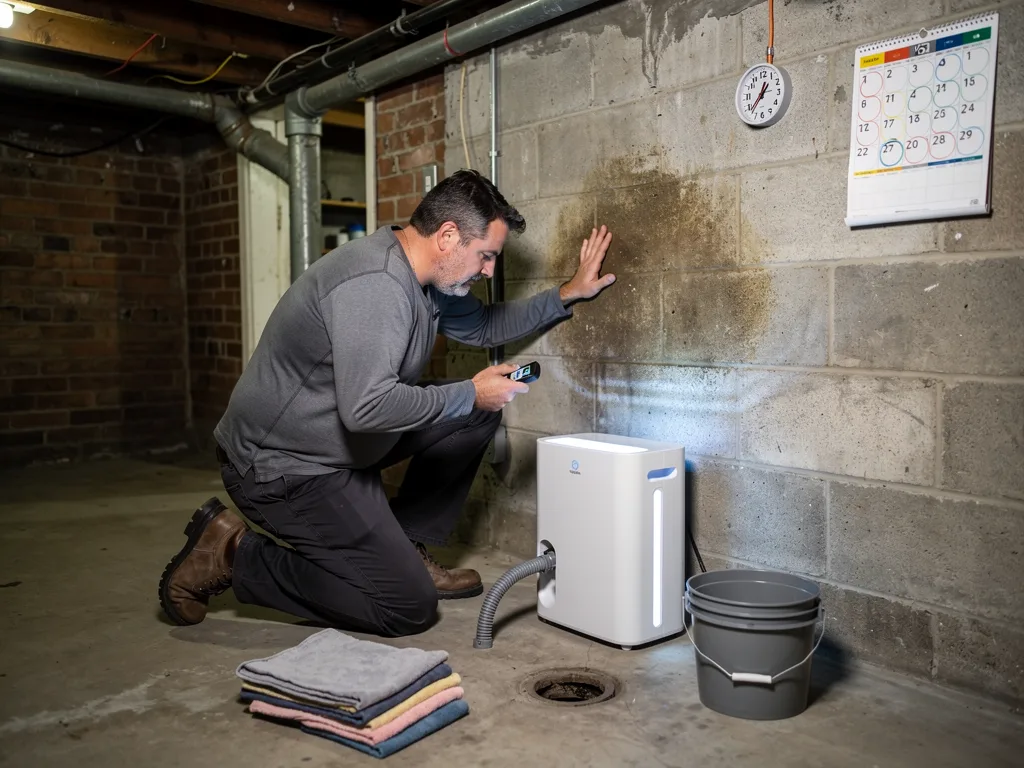
Keep rooms ventilated, use dehumidifiers to target humidity levels around 40–50%, and fix obvious leaks promptly. If you’re unsure where moisture is coming from, call a restoration specialist for a professional assessment. In New York, there are no one-city shortcuts; statewide coverage means you’ll get a qualified crew wherever you are in the state.
- Document smells, staining, and any soft spots on walls or floors.
- Check gutters and grading away from the foundation during wet seasons.
- Schedule a state-wide assessment if concerns persist for more than a few days.